ELECTRONIC CIRCUITS
LESSON 1 - A SIMPLE CIRCUIT
The following is how a flashlight works. It's essential diagram (called a 'Schematic') is:
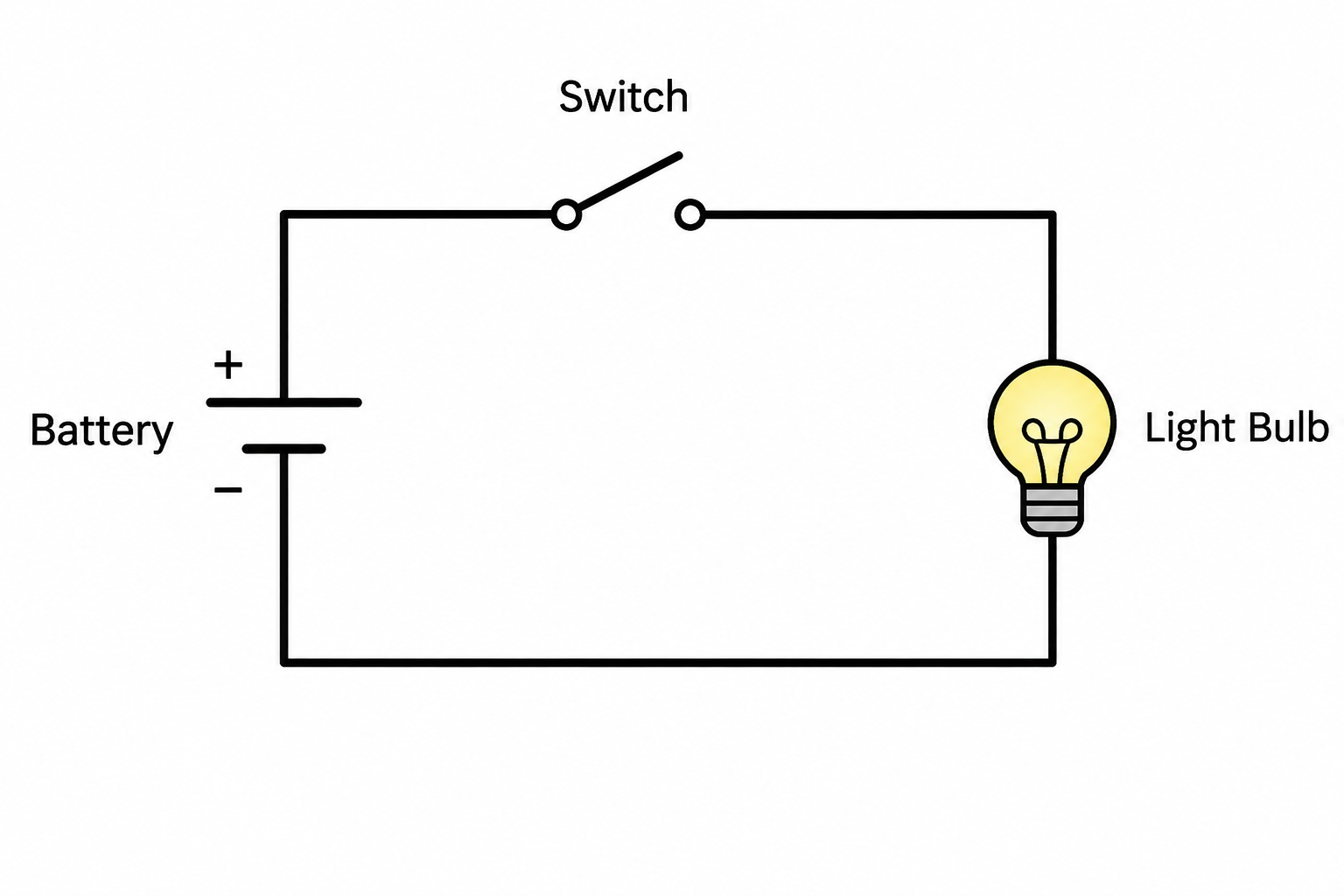
BATTERY: 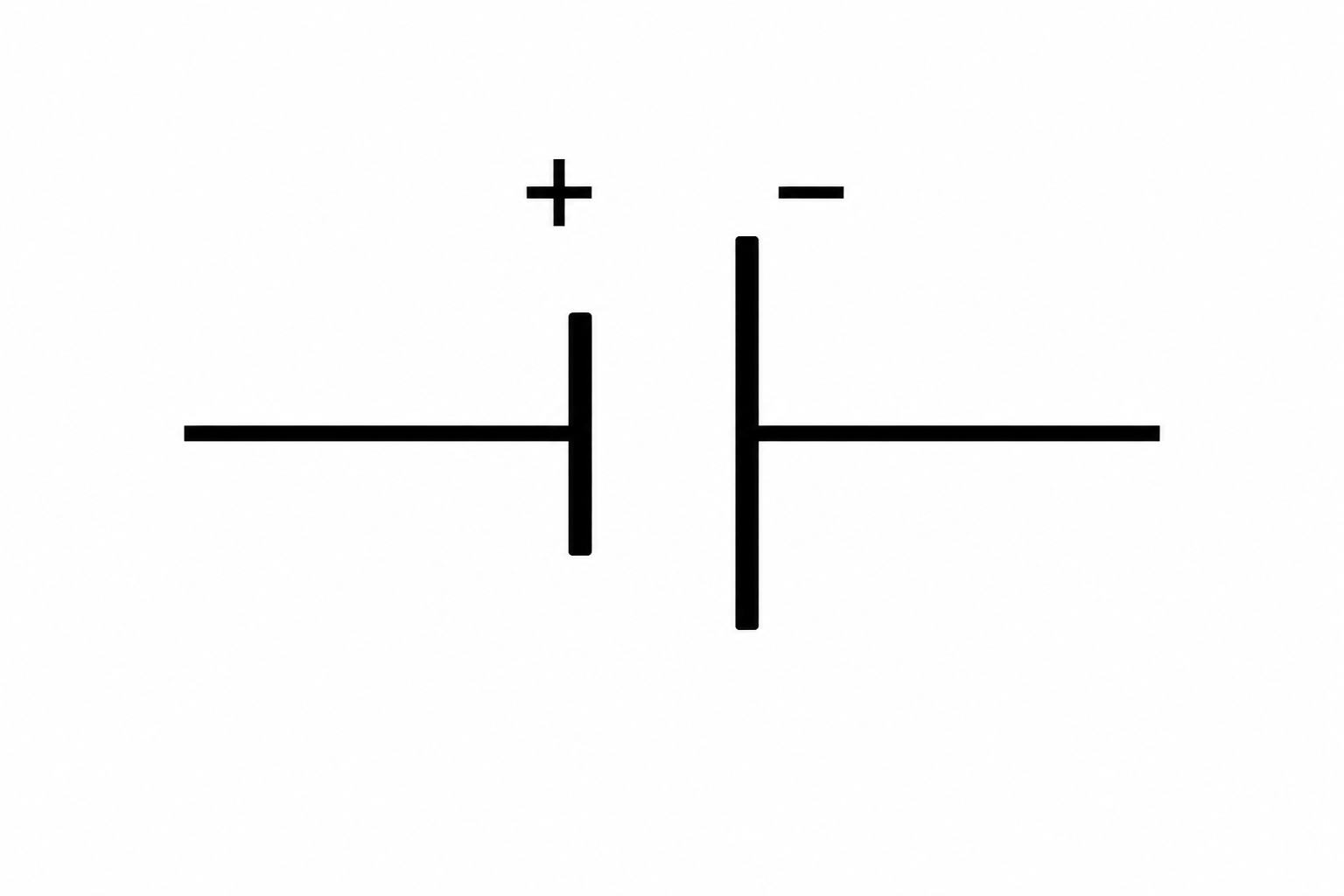
The symbol is a battery. A battery 'tries' to push electrons out of it's plus (+) terminal and back into it's negative (-) terminal. Electrical current is the flow of electrons through something.
WIRES:
The lines ____ and | represent electrical wire - usually made of copper and usually covered (for most of their length) with insulating plastic or Teflon. Wires function to make a path, through which electrons can flow, from a terminal of one device (battery, switch, lamp, etc.) to a terminal of another device.
SWITCH: 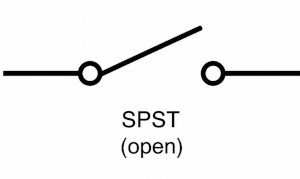
The symbol is a switch. It provides a means for stopping the flow of current when we so desire.
LAMP:
The symbol stands for a light bulb. It's the part that does some useful work.
(It converts the forced flow of electrons into visible light.)
HOW THE CIRCUIT OPERATES:
Electrons will only flow if the path (the overall loop) is 'closed' (that is, continuously connected by components each of which conduct electrons).
We use a switch for enabling or disabling current. When the switch is 'closed' (that is, the metal pieces inside the switch are pushed together) the overall circuit loop is complete and current will flow through the lamp and the lamp will light. When we don't want light (and don't want to discharge the battery), we open the switch.
When a switch symbol looks like this  it means the switch is closed. Current will flow if the rest of the circuit is configured properly (with battery, wires, and lamp).
When the switch symbol looks like this , it means the switch is open. No current will flow.
QUESTION: Why do you think we have insulation around the wires?